 Now that I'm about to sum up the Old Testament year in Seminary, I've been thinking about the power of myth in this ancient scripture. I don't intend this post to be a commentary on how I view the truth claims of scripture. Paul Revere, for example, was an actual historical figure who has attained a mythical status in the American mind. I have no doubt that some of the Old Testament is a factual history of the ancient Hebrews. Other stories contained in the record I am not so sure about. But all of these stories are valuable for the impact they have on our spiritual being.
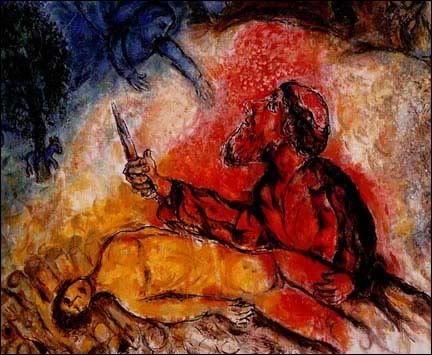
 This year, I've taught my students that as they encounter the strange and inexplicable stories in the OT, they should look for symbolic or mythic meaning. I've been intrigued with the power of myth in an individual life. Seeking the sacred through mythic and archetypal stories can yield lifechanging results. A consistent theme found in the Old Testament is the revelation of God which is given through dreams. Joseph, Samuel, Daniel, and a host of others experience God and are given direction in their dreams. This speaks to me of the power of the unconscious mind to reveal the Divine. Instructions about how to proceed in our lives are given in symbolic ways, and the better we are able to interpret the symbolic, the more integrated we become as human beings.
 We do not have to be asleep to collect meaningful symbols from the unconscious mind. The Old Testament seems to me to be particularly rich in stories which can impart symbolic and archetypal meaning as we read and ponder. For now I will leave aside feminist problems with readings of the scriptures and simply advise that males and females open themselves to identify with all of the Biblical figures. A woman may identify with Jacob climbing a ladder on his ascent to God, just as a man may claim his place as part of the covenant people addressed as the "Daughter of Zion."
Carl Jung said that one's psyche is reinforced by contact with an archetype. Through this encounter one may feel transformation or the release of tremendous energy. I see this when I observe the study of the Old Testament in the Church. Why are some people so bored by the thought of reading or studying Isaiah, while others' eyes light up in anticipation? It is because these few have discovered meaningful symbols in the scriptural record which resonate in their souls.
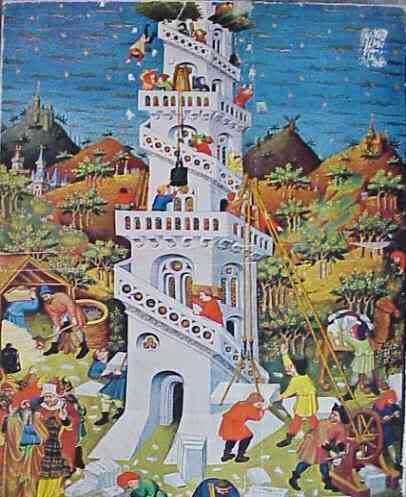
 When teaching the OT, especially to youth, I have seen the most success when introducing archetypal concepts through play, art, or acting out the stories. One interesting class session involved having groups of students build towers out of various materials (Legos, clay, tinkertoys, etc.), each trying to make the largest structure. In doing this, the groups experienced competition, cooperation, anger and frustration, pride, and a variety of human emotion. A follow-up discussion on themes in the OT story of the Tower of Babel was electrifying!
 As students of the scriptures become familiar with archetypes, symbols and themes, they are able to open the books at the end of the day and use the stories to make sense of what they have experienced during the day. Try this experiment: find one of the strange little OT stories which are so common. Read it, not with a view to trying to force it to make sense, but trying to identify symbols or archetypes, and unrelated meanings. As you do this, you may begin to see how it illuminates something in your own life experience. You may feel a connection easing the human soul's alienation in the world, bringing you closer to an encounter with the Divine. This is the Hero's Journey.




 Posts
Posts


